

Why single-use water bottles are still an overlooked ESG issue - and what businesses can do instead
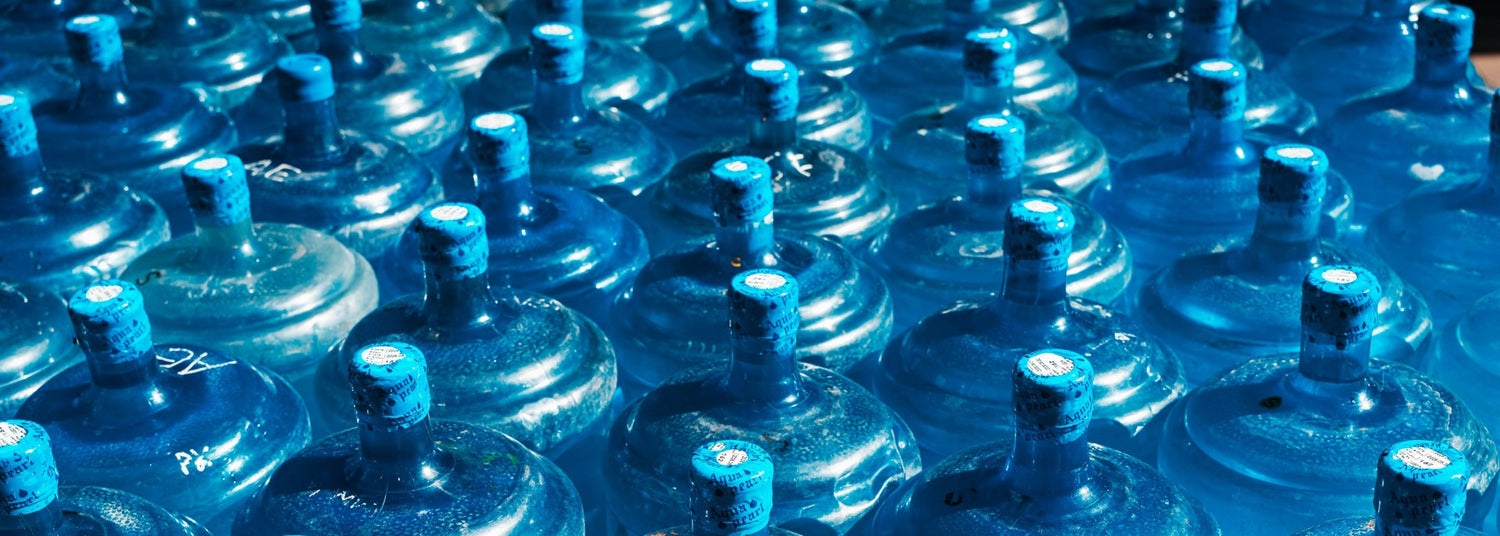
Plastic water bottles are everywhere — from office desks and hotel nightstands to hospitals, conferences, and classrooms. Yet despite mounting pressure to go green, millions of these bottles are still being used and discarded daily. And while they may seem like a small convenience, the collective impact is anything but.
Each year, the bottled water industry alone generates around 25 million tonnes of plastic waste, much of which ends up in landfills, oceans, or incinerators. According to the UN Environment Programme, if the plastic industry were a country, it would be the fifth-largest greenhouse gas emitter in the world. Shocking, right?
It’s no longer just an environmental issue, it’s a brand risk. For organisations that claim to prioritise sustainability, continuing to rely on single-use plastic water bottles undermines credibility and erodes stakeholder trust.
The good news? Fixing it is more achievable (and more impactful) than you might think.
Let’s explore the industries contributing the most to water bottle plastic waste and how each can make a meaningful shift.
1) Corporate offices and the silent buildup of bottle waste
The average office worker goes through around 156 plastic bottles per year. Multiply that by just 100 employees and you're looking at over 15,000 bottles — most of which aren’t recycled effectively.
Tech companies — often positioned as innovation leaders — are among the most surprising offenders. Despite championing digital transformation, many haven’t embraced one of the simplest steps towards reducing waste: ditching single-use bottles in favour of branded reusables and installing filtered water refill stations.
And the environmental cost is staggering. It takes 1.4 gallons of water and energy equivalent to a quarter-bottle of crude oil just to make one plastic water bottle.
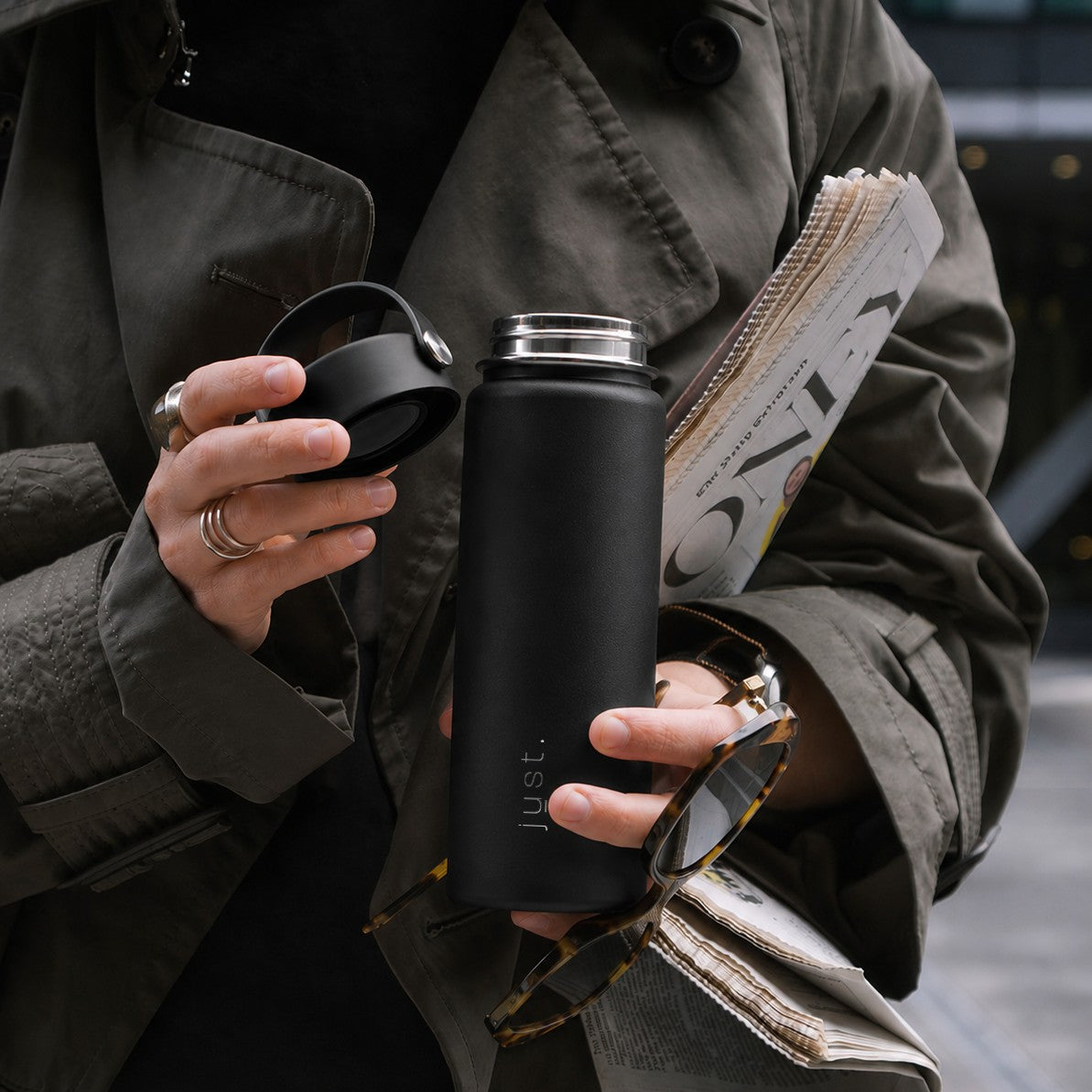
What to do instead: Provide each employee with a premium reusable bottle, like our TempControl™ insulated Nomad Bottles, and support adoption with hydration stations throughout the office.
2) Conferences and events — A missed opportunity for impact
At a typical three-day conference with 1,000 attendees, you can expect to see up to 6,000 plastic bottles discarded. And that doesn’t include single-use cups, packaging, or promotional “swag” that rarely makes it home.
Despite being spaces for future-focused thinking, many events still default to convenience over impact.
Forward-thinking event organisers are rewriting this narrative. By offering attendees a co-branded reusable bottle on arrival and placing refill stations throughout the venue, they’re not just reducing waste — they’re turning sustainability into an experience.
Explore our custom event kits here, designed to leave a lasting impression — not a trail of plastic.
3) Education — A place where habit meets opportunity
From school canteens to university vending machines, educational institutions are major contributors to plastic water bottle waste. And yet, these are the very spaces where long-term behaviour change begins.
Some pioneering schools have introduced branded reusable bottles for students, paired with hydration education. The result? Lower waste and better student health. A win-win.
Just Bottle tip: Engage student ambassadors to lead the charge. Peer influence can be more effective than top-down enforcement when building new habits.
4) Healthcare — Bridging hygiene and sustainability
Hospitals and healthcare facilities understandably prioritise hygiene — but that doesn’t mean plastic bottles are the only safe option. Millions of single-use bottles flow through waiting rooms, wards, and staff areas each year.
The reality? Well-maintained reusable bottles are just as safe. Research shows that, when cleaned properly, they pose no greater hygiene risk than disposable ones.
Some health providers are already making the switch to sealed, reusable bottles built specifically for clinical settings. It’s better for the environment, better for patients, and often — better for budgets.
And with 93% of bottled water found to contain microplastics, switching to tap-refilled stainless steel bottles is a win for health, too.
5) Travel and hospitality — A need for conscious care
Hotels, airlines, and resorts rely heavily on plastic water bottles — often offering them as welcome gifts, in-room refreshments, or loyalty perks. A single hotel room can generate over 200 bottles per year, while airlines hand out thousands on every flight.
And yet, 78% of travellers say they now consider a hotel’s sustainability credentials when booking. In an industry built on reputation, this is not a detail to overlook.
Some hotel groups have started offering branded, stainless steel bottles as part of the guest experience — often alongside refill stations. It signals care for the planet and elevates the brand.
At Just Bottle, we offer fully customisable, co-branded solutions for hotels and hospitality groups.
See our sustainable merch for businesses page.
Recycling isn’t a solution — it’s a stopgap
Globally, only 9% of plastic waste is ever effectively recycled. In the U.S., just 29% of PET bottles are collected — and only 21% of that becomes new material.
And most recycled plastic doesn’t become new bottles. It gets downcycled, turned into lower-grade items like fleece or packing materials — meaning more new plastic is still needed.
The message is pretty obvious: recycling isn’t enough. We need to design waste out of the system — starting with everyday items like water bottles.
How to start reducing plastic waste in your organisation
Here’s a simple roadmap for businesses ready to make a change:
1. Audit your usage:
Track where plastic bottles show up across departments: vending machines, client meetings, events, hospitality, etc.
2. Choose the right reusable bottle:
Match bottle specs to your team’s lifestyle. Our insulated Pioneer Bottles offer all-day temperature control, minimalist design, and branding flexibility.
3. Build refill systems:
Make it easy to refill with hydration stations or filtered taps in key locations.
4. Integrate into onboarding:
Add bottles to welcome kits. Set expectations from day one.
5. Communicate the impact:
Use a plastic-saving calculator or share real metrics (like bottles saved or kilos of plastic removed from oceans) to keep your team engaged.
Ready to turn impact into brand equity?
Shifting from single-use to reusables is both a brand statement and a dire requirement. One that says: we walk the talk.
And customers will notice. Companies that lead on environmental issues enjoy higher trust, better employee engagement, and stronger long-term loyalty.
At Just Bottle, we help brands create high-quality, branded water bottles that support hydration, reduce plastic waste, and make an actual impact — like removing ocean-bound plastic with every purchase.
Want to make the switch?
Explore our full collection of sustainable business bottles, or get in touch to build a solution tailored to your workplace, event, or brand.
Because what’s in your hand says something about what you stand for.