
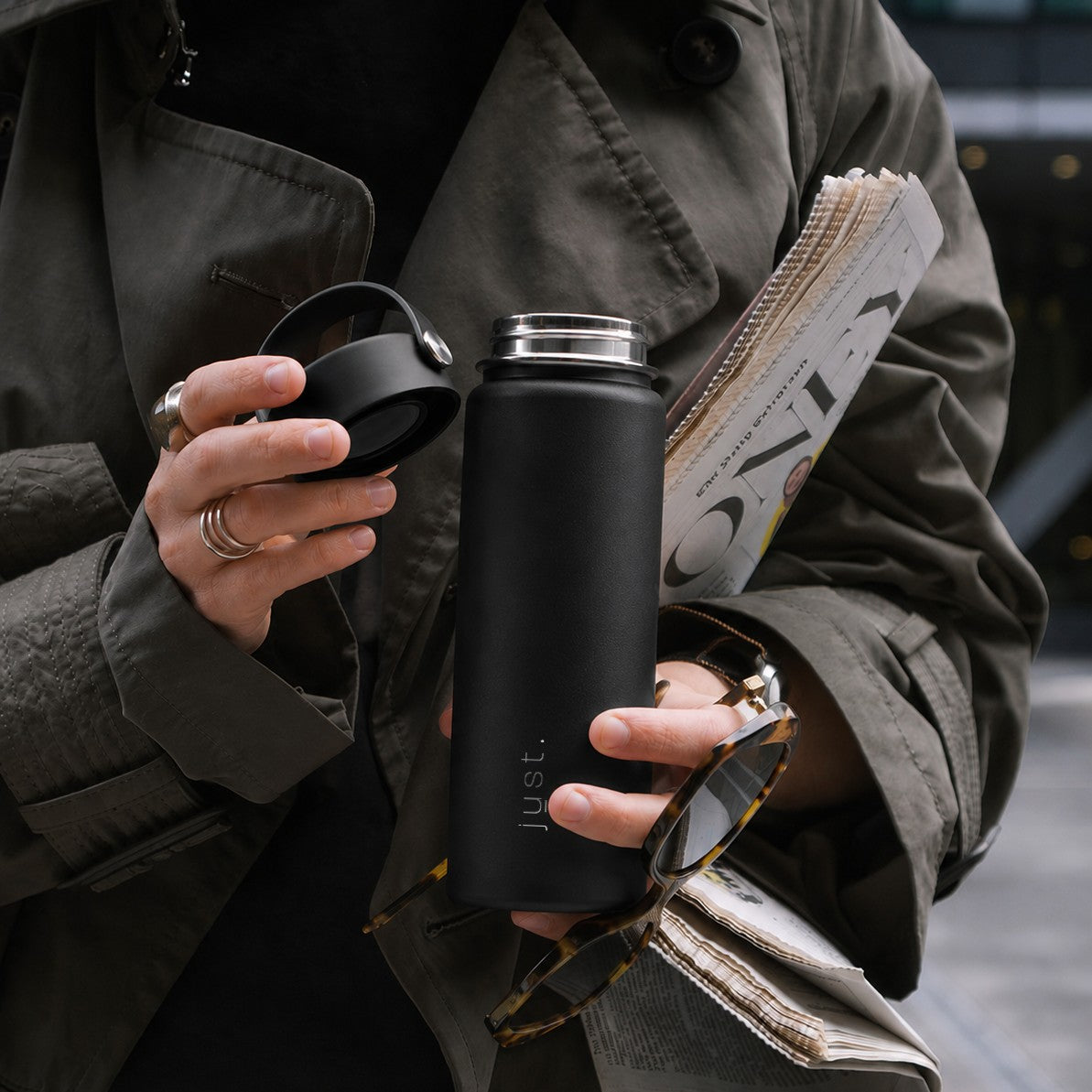

Most of us have owned a reusable water bottle that seemed like a great idea, only for it to disappear into the back of a kitchen cupboard a few weeks later. Then there are the bottles that go everywhere with us. They sit beside the laptop, ride along in the car, travel to the gym and become one of the things we check for before leaving the house. What makes the difference?
Reusing a water bottle turns out to have a lot to do with basic human behaviour. Habits stick when they are convenient, rewarding and attached to things we already do. A bottle's design either supports those behaviours or adds enough small annoyances that we eventually stop reaching for it. Here are six reasons some reusable bottles become everyday essentials, and most people's spare bottles do not.
Short answer: people keep using the bottle that is easiest to use, easiest to see, feels like theirs, delivers a drink they enjoy (usually cold), slots into an existing routine, and fits the way they actually live. Behavioural research on habit formation points the same way: reduce friction, add a cue, make the reward immediate, attach the new habit to an old one. A bottle that fails any of those quietly ends up in the cupboard, however good its sustainability credentials.
1. We reuse things that are easy
Convenience is the least exciting part of bottle design and one of the most important. Think of the small frustrations: it does not fit the car cup holder, the lid takes two hands, it is awkward to clean, you are never quite confident it will not leak in your bag. None sounds serious. Experience them daily and another bottle starts looking appealing. Behavioural scientists call this friction, and removing it is the single most reliable way to make a habit stick. A good everyday bottle removes as many tiny barriers as possible: a carry handle, a reliable leakproof lid, a wide mouth, an easy drinking mechanism. The easiest habits to keep are the ones that require the fewest decisions.
2. Visibility helps us remember to drink
There is a simple reason a bottle on the desk helps you drink more: you can see it. Water is easy to forget when busy; a morning disappears into emails before you realise you have barely had a sip. A bottle within reach is a visual cue. You notice it while answering an email, drink, put it down. Repeat that often enough and drinking becomes connected to the routines already happening around it. Give the bottle a regular home: beside the laptop, in the same pocket of the work bag, in the car cup holder, next to the gym kit, on the bedside table overnight. The less time spent wondering where it is, the easier it is to use. Our post on whether big water bottles make you drink more covers why size and visibility interact.
3. We get attached to things that feel personal
Reusable bottles have become surprisingly personal objects. People choose particular colours, add stickers, hunt limited editions and have firm opinions about lids. Some bottles end up covered in marks from years of travel; others are instantly recognisable as one person's in the office. That attachment matters. We look after and reuse objects we enjoy owning. A bottle chosen because you like its colour, shape and feel has a far better chance of becoming routine than one bought because it was there. It is why we make drinkware in different colours, materials, sizes and drinking styles: the 1.2 L Titan Tumbler for someone who loves a big straw tumbler, the streamlined Nomad for someone else, the minimalist Zen Glass Bottle for someone else again. Preference is not an extra; it decides whether you keep using the thing.
4. The drinking experience matters
We repeat behaviours that feel good. For bottles that means genuinely cold water hours after filling, a straw that is satisfying to drink from, or glass that gives the clean taste you prefer. Temperature is especially important: if you love cold water, reaching for a bottle left in the sun and finding it warm is discouraging, and the habit weakens a little each time. An insulated steel bottle keeps the experience consistent all day. Match the bottle to what you enjoy: a straw lid if you like sipping constantly, insulated steel if you want cold water, borosilicate glass for a neutral taste, a larger capacity if you hate refills. Our post on the science of cold water explains why temperature alone changes intake.
5. Hydration can piggyback on another habit
One of the most reliable ways to build a new habit is to attach it to one you already have, sometimes called habit stacking. Instead of relying on yourself to remember to drink eight separate times, link water to routines: morning coffee, fill the bottle; start work, bottle on the desk; lunch, refill; gym, take it; leave work, bring it home. Over time one action prompts the next. This is useful on stressful days too. Drinking water is not a treatment for anything, but staying hydrated supports normal physical and cognitive function, and making it automatic removes one basic need from the list of things to remember.
| Habit principle | What it means for a bottle | Design feature that delivers it |
|---|---|---|
| Reduce friction | Fewer steps between wanting a drink and drinking | One-hand lid, leakproof, fits bag and cup holder, easy to clean |
| Add a cue | Something that reminds you without a notification | A bottle on the desk; a clear or marked bottle showing the level |
| Make the reward immediate | The drink itself should be pleasant | Insulation for cold water; a straw; glass for taste |
| Build identity | The object feels like yours | Colour choice, engraving, a size and style that suit you |
| Stack on an existing habit | Attach drinking to coffee, meetings, lunch | A bottle light enough to carry into every one of them |
| Fit the real life | Works where you actually are | Size and lid chosen for commute, desk, gym or home |
6. We keep products that fit our real lives
A bottle can have excellent sustainability credentials and still live in a cupboard if it does not suit the person using it. A commuter on a packed train wants compact and completely leakproof. Someone working from home may prefer glass. A walker wants a litre of insulated water. Someone who drives for hours cares most about the cup holder. Before choosing a bottle, ask where you will use it most, how much you realistically drink, whether you prefer a straw or an open mouth, whether it must fit a particular bag or holder, whether you will use it for hot drinks, and whether you are happy washing several lid parts. Those answers are far more useful than choosing whatever is popular. Our guides to the best water bottle for every type of person and glass vs stainless steel vs recycled plastic turn those answers into a choice.
Why this matters for businesses too
The same psychology explains why some corporate bottles are used for years and others go straight in a drawer. A branded bottle that is easy to use, pleasant to drink from, sized for the recipient's day and handed over with a reason attached (a welcome kit, a wellbeing programme) becomes a habit and a daily brand impression. One that fails the friction test is merchandise. Our post on why corporate water bottles fail internally applies these six principles to a company roll-out.
Make your reusable bottle an easy habit to keep
The psychology of reusable bottles is simple. We return to objects that are convenient, enjoyable and suited to how we already live. Choose a bottle you genuinely like, keep it somewhere visible, make refilling convenient, and pick the size, material and lid that fit your routine. Our drinkware is designed around those different habits, from insulated Nomad Bottles and oversized Titan Tumblers to minimalist Zen Glass Bottles and reusable cups for coffee on the go, and every 100 bottles ordered funds the collection of 10 kg of ocean-bound plastic through Plastic Bank, roughly 500 plastic bottles kept out of the sea. The most sustainable bottle is the one you keep using.
Frequently asked questions
Why do I stop using my reusable water bottle?
Usually because of small friction: it leaks, is awkward to open or clean, does not fit your bag or cup holder, or the water is warm by the time you want it. Each annoyance is minor; daily, they add up until the bottle stays home. Fix the friction or change the bottle.
How do I get into the habit of using a water bottle?
Give it a fixed home where you can see it, attach refilling to things you already do (coffee, lunch, leaving work), and choose a bottle whose drink you enjoy, usually cold. Habits form from cue, routine and reward, not from reminders.
Does the colour or style of a bottle really matter?
Yes, more than it sounds. People look after and carry objects they feel are theirs. A bottle you chose for its look and feel is used more consistently than one picked at random, which is why personalisation and colour choice are not trivial extras.
Does drinking more water help with stress or mood?
Hydration is not a treatment for mental health, but mild dehydration is linked to tiredness, headaches and poorer concentration, so staying hydrated removes one avoidable drag on a difficult day. Making it automatic through a routine means it is one less thing to remember.
What is the best reusable water bottle to actually keep using?
The one that fits your day: compact and leakproof for a commute, a straw tumbler for a desk, glass for home, a litre of insulated steel for walks and drives. Easy, visible, enjoyable and suited to where you are.
Why do some people never lose their bottle while others lose every one?
Attachment and routine. A bottle with a fixed home and a personal connection gets checked for like keys and phone. A generic bottle with no set place is forgotten under a seat. Giving the bottle a home and choosing one you like are the two fixes.
Find the bottle that fits the way you drink
Explore our reusable water bottles and reusable cups, designed around real habits rather than a single idea of the perfect bottle.