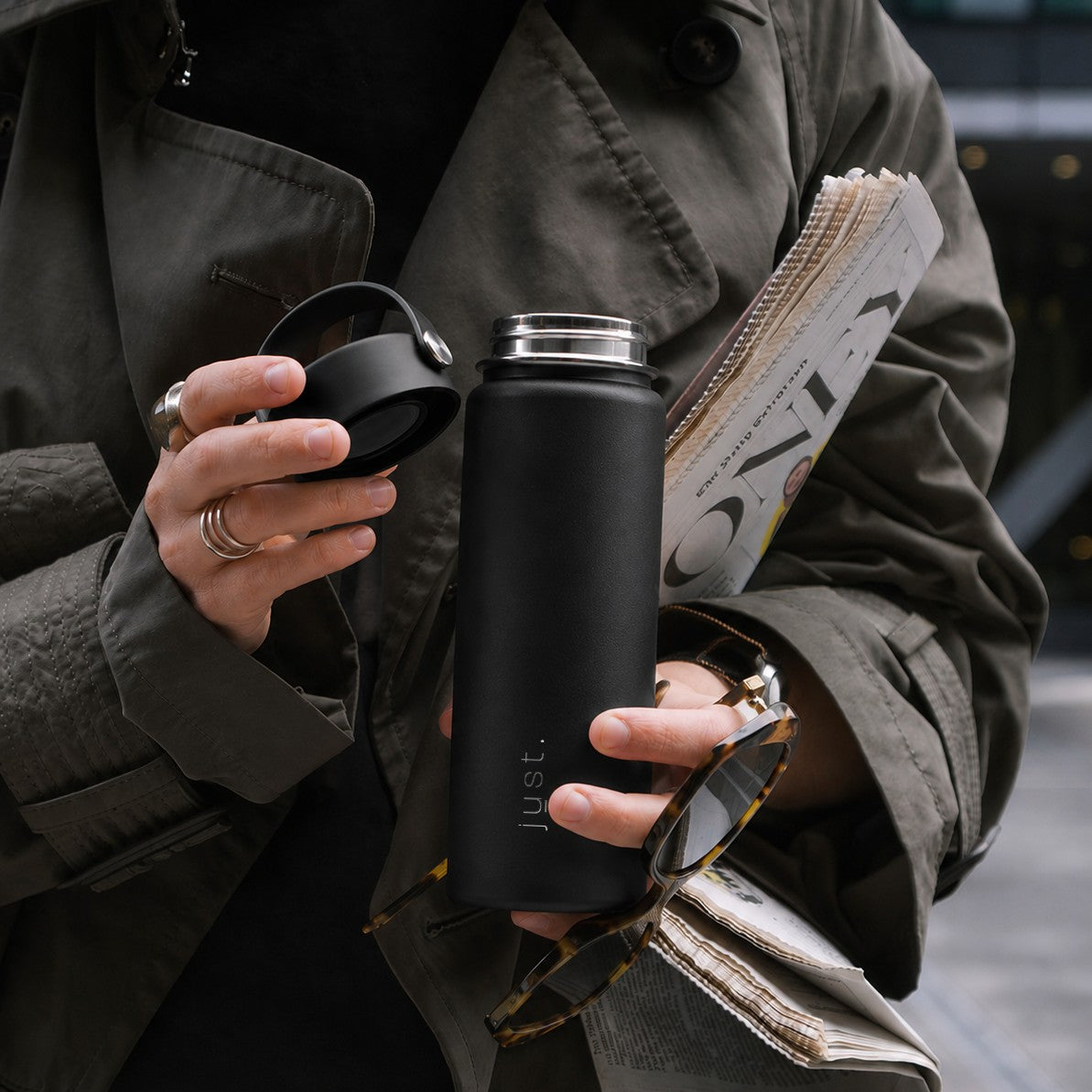


Rethinking sustainability - it’s about more than materials
Sustainability is everywhere. From bamboo cutlery to recycled polyester tote bags, companies are lining up to promote their eco-friendly merch. But too often, the conversation stops at what a product is made from - and misses the equally important question of who made it, and under what conditions.
There’s a growing disconnect in the world of branded merch. A bottle might be crafted from recycled plastic, but if it’s made in a factory with poor working conditions, underpaid labour, or opaque sourcing practices, can we really call it sustainable?
That’s where ethical merch sourcing comes in — and where the Global South plays an important role.
At Just Bottle, we believe sustainability has to include both planet and people. That’s why we’ve built our supply chain with transparency, traceability, and equity at its core — not just recycled materials, but better systems.
This blog looks at why your merch strategy should look beyond green claims and towards global impact. Because when it comes to sustainability, origin and equity matter.
The problem with traditional supply chains
The average corporate merch item has a long, tangled journey — and most of it is invisible to the buyer.
From low-cost factory labour to carbon-intensive shipping and shady sourcing intermediaries, traditional supply chains often prioritise price and speed over ethics or impact. Behind the scenes, workers may be earning poverty wages, operating without safety nets, or producing under forced conditions — especially in parts of the world where protections are minimal and audits are rare.
At the same time, many companies are leaning into “green” messaging without truly committing to ethical practices. Terms like “eco-friendly” and “sustainably made” are thrown around freely, even when there’s no proof of fair wages, safe conditions, or environmental safeguards.
This kind of greenwashing — spotlighting materials while ignoring the humans behind them — creates a dangerous illusion of progress. It also exposes brands to reputational risk in an age where supply chain transparency is fast becoming an expectation, not a nice-to-have.
The truth? A product made with recycled content but no traceable labour practices is not sustainable. It’s extractive.
Why the Global South matters in this conversation
The Global South is often treated as a silent participant in the global merch economy — a place where things are made cheaply and quietly, with little attention paid to who’s making them or how. But this view is outdated and deeply flawed.
These regions — from South Asia to Sub-Saharan Africa to Latin America — are home to skilled makers, generational craft expertise, and circular models of production that pre-date Western sustainability trends. What many call “innovation” in the Global North is simply tradition elsewhere.
By partnering with suppliers in the Global South responsibly, companies can help shift the dynamics of merch sourcing from extraction to collaboration. That means creating jobs in underserved communities, supporting artisan enterprises, and investing in low-impact, local production that distributes value more equitably.
At Just Bottle, for example, we partner with communities in regions where waste infrastructure is limited — employing local women to collect ocean-bound plastic, providing fair pay, training, and dignity in work.
When the people who make your products benefit from the relationship (not just your brand), everyone wins.
What an equitable merch strategy looks like
Ethical sourcing is about avoiding harm — but it’s mostly about actively doing better.
Here’s what that can look like:
- From outsourcing to partnership: View suppliers as collaborators, not just vendors. Long-term relationships build stability and trust on both sides.
- Design with, not just for: Involve makers in product development to ensure cultural respect, relevance, and shared creativity.
- Traceable supply chains: You should know where your materials come from, who assembles your product, and what conditions they work under.
- Fair payment and ongoing investment: Don’t drop in with a one-off “impact” campaign. Build relationships that last beyond a single transaction.
-
Respectful storytelling: If you're going to talk about the communities who made your merch, make sure they’ve consented — and benefit from that visibility.
This isn’t performative CSR. It’s a better way of doing business.
Real-world examples: who’s getting it right?
Several brands are paving the way for a more ethical approach to merch sourcing, and though we're biased, we'd like to think we're part of the change.
- Just Bottle works with plastic collection partners in coastal regions to remove ocean-bound plastic while creating fair, dignified jobs for women. Every product sold removes the equivalent of 2,000 plastic straws from the ocean.
- Patagonia’s Footprint Chronicles give consumers visibility into every stage of their product’s journey, including factory conditions, environmental impact, and material choices.
- Fairtrade-certified cotton cooperatives in India and Bangladesh are working with brands to ensure smallholder farmers are paid fairly, included in decisions, and supported long-term.
These are the future of ethical merch.
How to get started — Ethical merch sourcing in practice
You don’t need to overhaul your entire supply chain overnight — but small, deliberate steps can create meaningful change.
Here’s how to begin:
- Ask better questions: Where was this made? Who made it? Were they paid fairly? Can you trace the supply chain?
- Prioritise certified suppliers: Look for B Corp, Fair Trade, artisan collective affiliations — but don’t rely solely on labels. Relationships matter too.
- Explore co-branding opportunities: Collaborate with Global South makers to create something truly original — and ensure their work is recognised and compensated.
- Budget for equity: Ethical doesn’t always mean expensive, but rock-bottom pricing almost always comes at a human cost.
- Be transparent with your customers: Share your sourcing journey — including challenges. Authenticity builds trust.
Need a place to start? Our Just Bottle business collection includes responsibly sourced, customisable bottles built for real impact — and real longevity.
Better sourcing is better branding
In a world where consumers, investors, and employees increasingly care about ethics and impact, your merch supply chain says a lot about your brand — even if you don’t realise it.
Choosing to include the Global South in your sourcing strategy isn’t just the ethical move. It’s a creative one. It opens doors to heritage techniques, unique design perspectives, and partnerships rooted in purpose — not just price.
At Just Bottle, we believe that branded products can be powerful tools for good. That’s why we champion supply chain transparency, sustainability, and social equity in everything we do.
If you’re ready to make merch that matters, explore our full blog hub for guidance on ethical sourcing, design strategy, and sustainable business.
Let’s build better supply chains — together.
FAQ's
1. Why isn’t recycled material alone enough for sustainable corporate merchandise?
For procurement teams, sustainability isn’t only about materials — it’s also about supply chain risk and compliance. A product made from recycled materials can still expose a business to reputational, legal, or ESG risk if labour conditions, wages, or sourcing practices are unclear. Sustainable procurement requires visibility across both environmental impact and ethical production standards.
2. What does ethical merch sourcing mean for procurement teams?
Ethical merch sourcing means having traceable, auditable supply chains that demonstrate fair labour practices, safe working conditions, and responsible sourcing. For procurement, this includes knowing where products are manufactured, who produces them, and whether suppliers align with internal ESG policies, supplier codes of conduct, and sustainability reporting requirements.
3. How does sourcing from the Global South fit into responsible procurement strategies?
When managed responsibly, sourcing from the Global South supports inclusive growth and long-term supplier resilience. Ethical partnerships can create stable employment, support skilled local production, and reduce reliance on extractive, short-term sourcing models. For procurement teams, this approach strengthens supply chain diversity while delivering measurable social impact.
4. How can procurement teams reduce greenwashing risk in branded merchandise?
Procurement teams can reduce greenwashing risk by prioritising evidence-based claims over marketing language. This includes requesting supplier transparency, documented labour practices, traceability, and impact reporting. Sharing verifiable sourcing information — rather than vague “eco-friendly” claims — protects brands and supports credible ESG communication.