

Why we can’t ignore what happens after the handoff
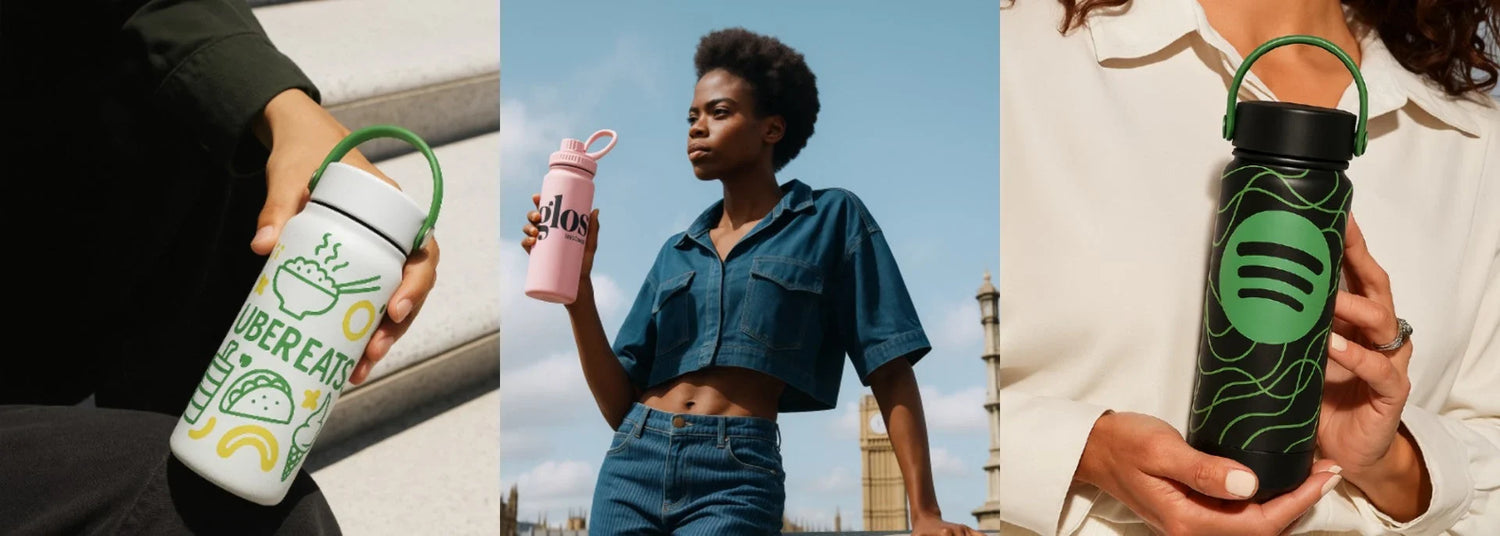
You hand over a branded mug, bottle or tote — and think the job’s done. But for many corporate gifts, that’s only the beginning of their story. All too often, they lose value, get discarded or languish in drawers. In a world demanding more from our environmental choices, that short lifecycle simply doesn’t cut it.
Enter circular gifting: a smarter design philosophy where waste isn’t an afterthought but something you design out from the start. It means gifts built to last, ready to be reused or repurposed, and easy to recycle — ideally as part of a closed-loop system that respects resources, strengthens brand integrity and supports ESG goals.
In this guide, we’ll explore what circular gifts really mean, why they bring measurable benefits for both planet and brand, and how to build a corporate gifting program that closes the loop one bottle, mug or bag at a time.
What makes a corporate gift circular?
In simple terms, circular gifting rejects the “take, make, waste” model. Instead, it embraces lifecycle thinking: design for reuse, repair, repurposing or recycling.
That means choosing items that:
- Are built to be durable from day one
- Can be maintained or repaired rather than replaced
- Are made from materials that loop back into the system at end-of-life
- Support take-back, refurbishment or recycling schemes
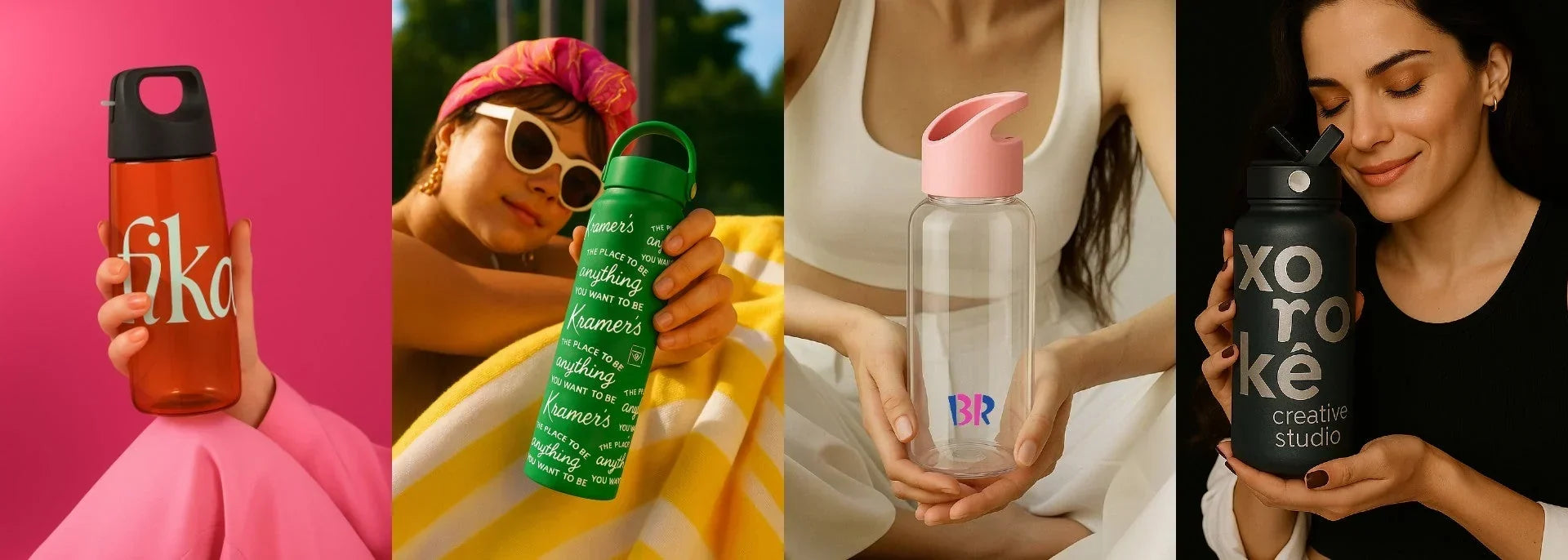
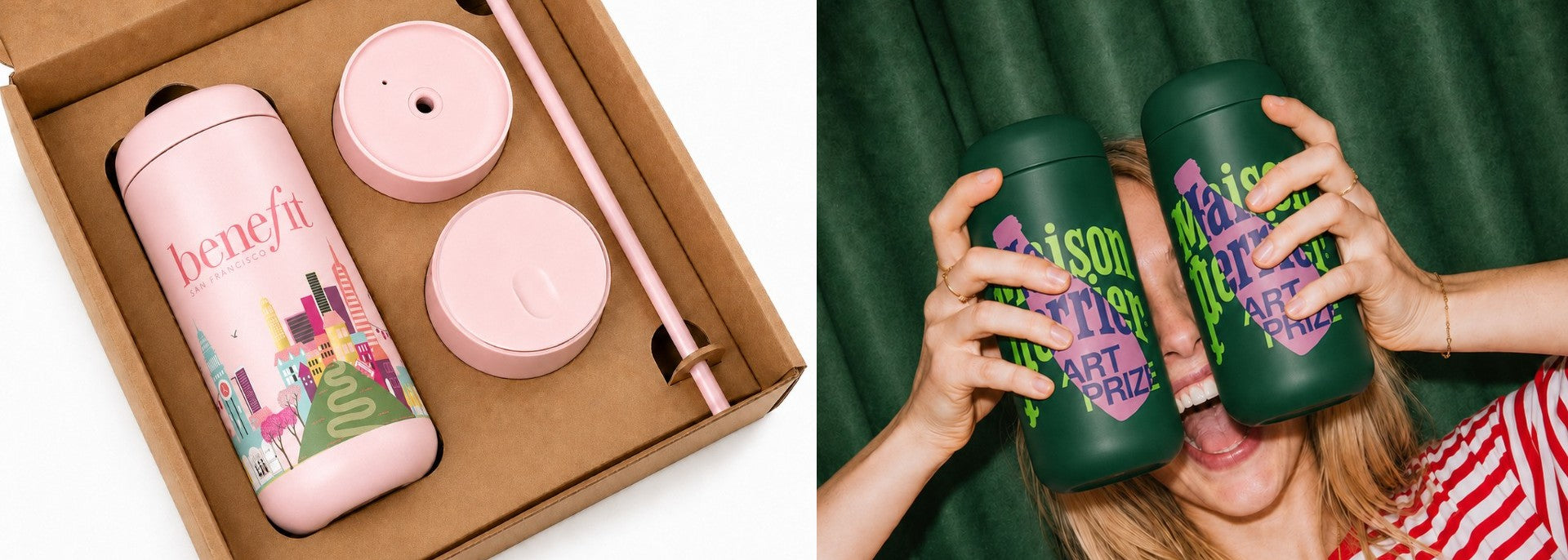
For corporate gifting, ideal examples include high-quality stainless steel bottles, modular products with replaceable parts, refillable mugs, durable textile bags and multi-use accessories. These gifts already align with circular principles by staying in use longer and reducing waste.
Circular gifting matters because stakeholders — clients, employees, investors — expect your actions to mirror your values. A circular gesture shows that you don’t just care about the initial impression, but about the lasting footprint.
The environmental and brand benefits of circular gifts
Environmental payoff
- Less waste sent to landfill
- Fewer virgin resources consumed
- Lower carbon emissions through extended usage (reuse is a powerful emissions lever)
- Support for circular economy growth
A study on reuse systems found that programs emphasizing product lifespan extension can significantly reduce environmental impact compared to single-use alternatives.
Brand and internal payoffs
- Stronger ESG and sustainability credentials
- Differentiation from brands still stuck in linear merch thinking
- Increased pride and engagement from internal teams
- Gifts that tell a story — your gift becomes part of your brand narrative
- Long-term visibility: a bottle used for 5–7 years delivers far more brand impressions than 50 cheap giveaways
Consumers and business stakeholders are paying attention. Brands that lean into circular design are seen as more authentic, resilient and future-oriented.
Designing gifts that last and get reused
This is where the rubber meets the road. Circular philosophy demands thinking upstream, how a gift is built matters as much as how it’s branded.
Durability over disposability
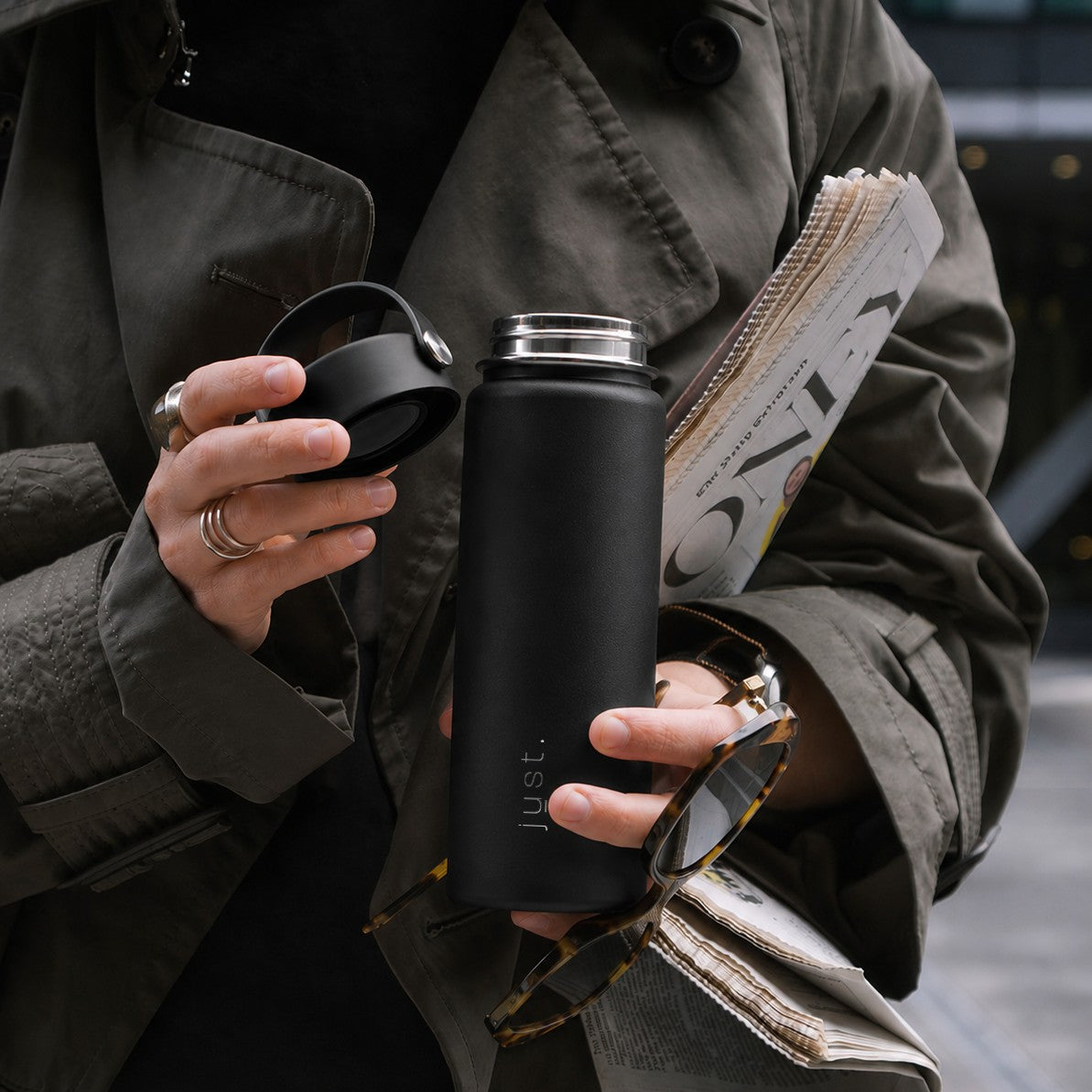
Materials like stainless steel outperform plastics in longevity, scratch resistance, and end-of-life recyclability. Just Bottle’s Nomad Bottle line with TempControl™ insulation is a strong example — built to be used repeatedly, not replaced.
Utility matters
A gift must be useful enough to remain in rotation. Hydration, travel, desk and lunch solutions are strong picks — things people truly need. Just Bottle’s Pioneer Bottle 550ml works well for everyday carry; Jumbo Pioneer 950ml suits longer days or travel; Urban Bottle bridges both.
Aesthetic endurance
Trends fade. A gift with a clean, timeless aesthetic and subtle branding is more likely to age gracefully. When colour, finish and form feel cohesive, the product retains dignity, staying part of someone’s life rather than being tucked away.
Repurposing and recycling strategies for corporate merchandise
Being circular means going further than the initial selection. Here are strategies to keep your gifts in a loop:
- Return programmes – Invite recipients to return old merchandise in exchange for discounts, new models or credit.
- Trade-in / upgrade schemes – Offer upgraded versions while refurbishing or recycling the returned ones.
- Upcycling projects – Convert old or discontinued gifts into new items — for instance, turning old bottles into planters, pens, or parts.
- Third-party take-back partnerships – Work with certified recyclers or circular platforms to process returned goods responsibly.
- Communication and transparency – Include a card or QR code that explains how to extend the life of the gift or recycle it at the end.
These strategies reinforce that your gifting is not an isolated transaction, but part of a longer life cycle.
Case studies of circular corporate gifting
- Patagonia’s Worn Wear – A powerful model: gear that can be repaired or resold, with trade-ins accepted indefinitely.
- Brands with bottle take-back models – Some drinkware brands employ closed-loop steel recycling, taking back old bottles to reforge them.
- Just Bottle’s impact model – Every sale funds ocean plastic removal, and our materials are recycled and repairable. Over time, that program gives your gifting real traceable value.
These examples show that circular strategies can scale — even luxury goods and performance gear are weaving circular thinking into their business models.
Getting started with circular corporate gifts
Here’s a pragmatic yet easy roadmap you can follow.
- Audit your existing gifting programme
- Track what ends up unused, what gets discarded, and why. Identify frequent failure points.
- Phase out disposable or low-durability items
- Replace them with circular alternatives — reusable bottles, bags, modular kits.
- Partner with circular-aligned suppliers
- Look for transparent lifecycle practices, repair programs, and impact reporting.
- Build communication into your gifts
- Use tags, sleeves or QR codes to guide recipients on care, repair or recycling.
- Pilot a return or trade-in initiative
- Start small with a subset of recipients, collect feedback, then scale.
- Measure and report your impacts
- Track reuse rates, waste avoided, materials collected, and recipient satisfaction. Use those metrics in your ESG reports.
- Iterate and evolve
- Test new materials, explore modular designs, and continuously improve your loop.
Circular gifting pays off because the cost-per-use drops dramatically: you invest more up front, but your brand continues showing up long after one-off merch would be forgotten.
Closing the loop for good
Closing the loop means rethinking how your company approaches relationships, responsibility and legacy. Circular gifts bring that mindset to life: they give, last, and eventually return to the system with purpose.
Moving your gifting strategy toward circularity shows that you value lasting impact over short-term impressions. It sets your brand apart, strengthens trust with clients and employees, and reduces your environmental footprint.
Start small. Swap one disposable giveaway for a circular alternative. Introduce a trade-in programme for older merchandise. Step by step, you can turn corporate gifting into a force for long-term good.
Ready to take the first step?
Explore our sustainable range and begin building a gifting program designed to work today, tomorrow and for years to come.